Product properties
Predict final product behavior from intermediate, process, or subassembly data.
 Process Optimization
Manufacturing process optimization
Manufacturing optimization is strongest when learned models predict product or subassembly behavior before the final decision, then constrained search selects choices that meet requirements.
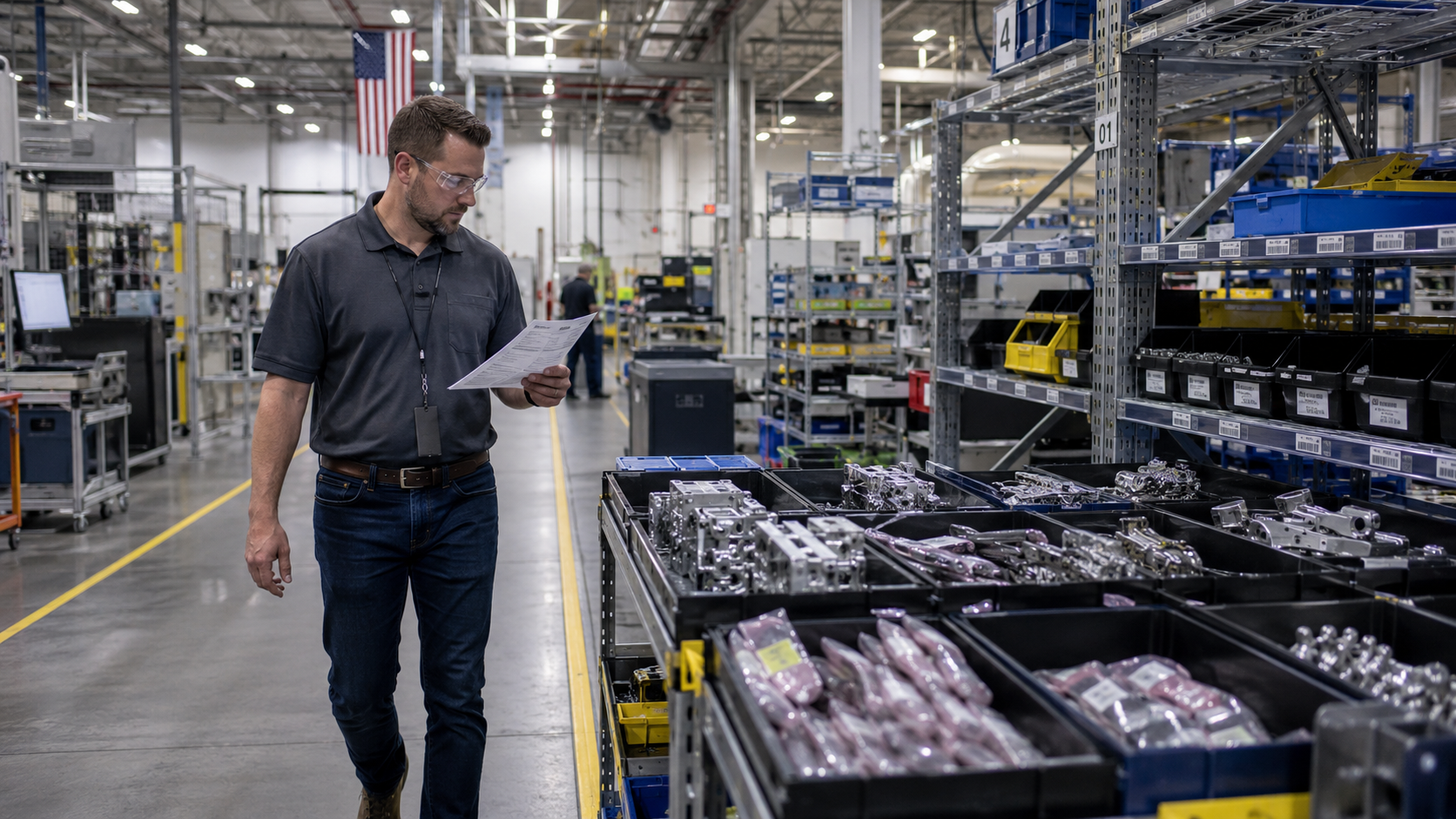
Definition
Manufacturing process optimization uses production data, product measurements, models, prediction, and constrained search to choose materials, settings, sequences, or subassembly combinations that meet product requirements with less rework and higher yield.
Evidence pattern
Approximate rework before optimization
Rework after model-based matching
Final assemblies met requirements
Final product performance depended on combinations of intermediate or subassembly behavior. Late pass/fail testing exposed the problem after the cost had already been committed.
Learned models characterized intermediate/subassembly behavior. Combinatorial optimization searched available combinations and selected matches that caused all final assemblies to meet final product requirements.
Rework fell from approximately 60% to zero. The value came from moving prediction and optimization ahead of the final assembly decision.
Where value appears
Predict final product behavior from intermediate, process, or subassembly data.
Select choices that satisfy requirements before off-spec work accumulates.
Search combinations so the final assembly meets requirements, not merely one component.
Use models to select setpoints, recipes, or conditions within production constraints.
Use prediction to strengthen release, inspection, or correction decisions.
Monitor model accuracy as materials, machines, and products change.
Q&A
Manufacturing process optimization uses production data, product measurements, models, prediction, and constrained search to choose materials, settings, sequences, or subassembly combinations that meet product requirements with less rework and higher yield.
Prediction reduces rework when product or subassembly behavior is estimated before the final production or assembly decision. The operator can choose a better combination, setting, or sequence before quality is lost.
Some final product results depend on how parts or subassemblies work together. Optimizing one item at a time can miss the combination that causes every final assembly to meet requirements.
Useful data can include subassembly measurements, product tests, process conditions, batch records, lab data, quality records, machine settings, and final acceptance results.
Consider model-based optimization when quality is known too late, rework is high, yield depends on interacting variables, or existing data can predict which production choices will meet requirements.
Manufacturing opportunity
Bring the decision, the available measurements, and the acceptance requirement. IntelliDynamics will evaluate whether modeling, prediction, and constrained search fit the problem.