Define the decision
What choice changes, who acts on it, what constraints apply, and what result makes the work valuable?
 Process Optimization
Industrial process optimization
IntelliDynamics helps industrial teams connect plant reality, learned models, predicted product or process behavior, and constrained search so decisions meet operating requirements.

Definition
Industrial process optimization is the use of process knowledge, validated data, models, prediction, and constrained search to choose operating, production, or assembly actions that meet defined product, process, safety, reliability, and business requirements.
Evidence pattern
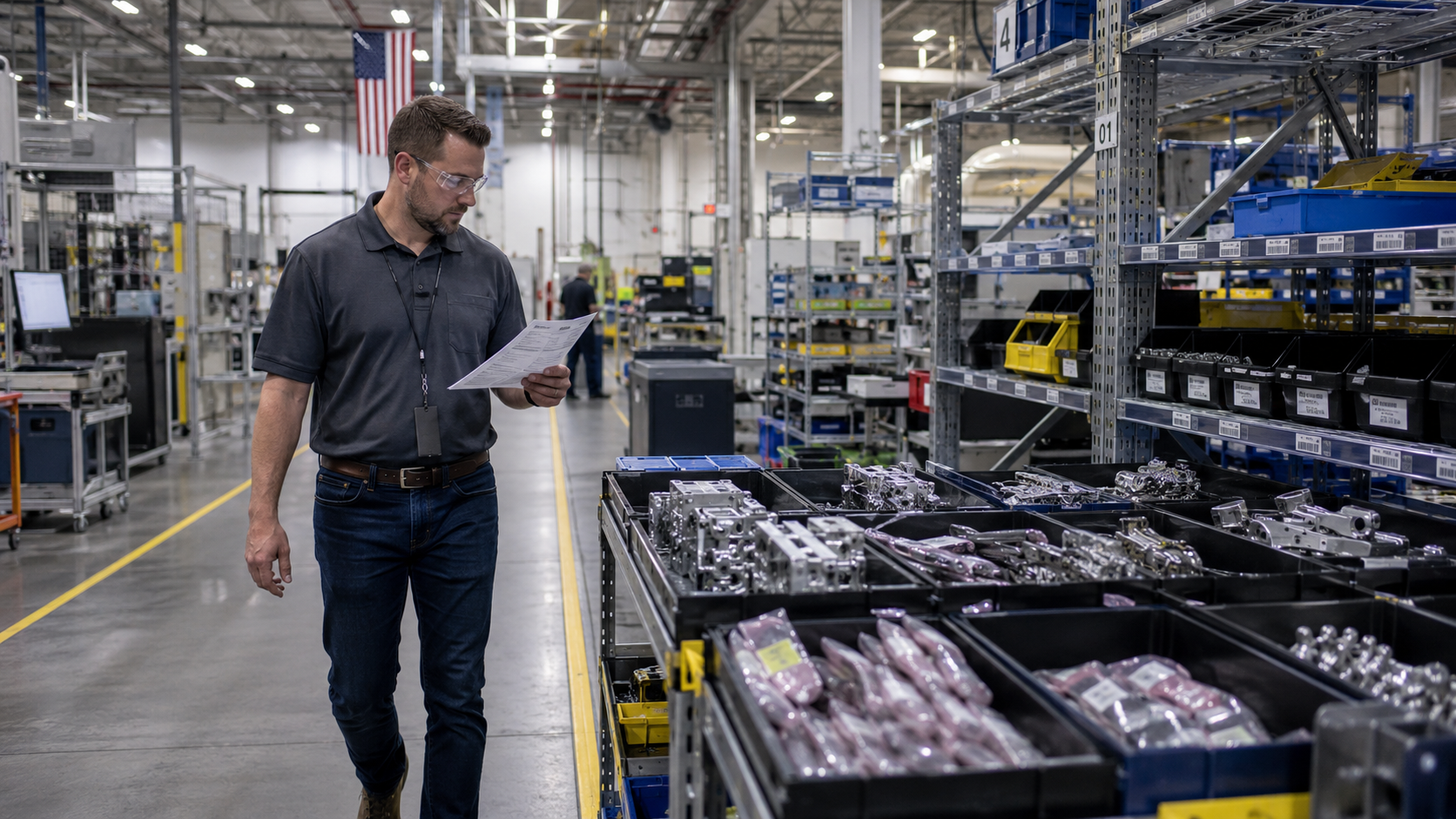
In a manufacturing application, learned models characterized intermediate/subassembly behavior. Combinatorial optimization chose combinations that caused all final assemblies to meet final product requirements. Rework fell from approximately 60% to zero.
The important point is the method: model the behavior that matters, predict the final result before the irreversible choice, then search the available combinations under the real constraints.
Open the evidence pageOperating method
What choice changes, who acts on it, what constraints apply, and what result makes the work valuable?
Connect historian, lab, process, product, asset, and operating-condition data to the decision.
Estimate current values or predict final/future product and process behavior before the decision is locked in.
Use the predictions to select actions that satisfy requirements instead of merely reporting what happened.
Where this applies
Process optimization becomes valuable when the best action depends on values that are inferred, predicted, delayed, expensive to measure, or affected by many interacting choices.

Common questions
Analytics explains or reports. Optimization chooses or recommends an action under constraints. The test is whether the prediction changes the decision.
The useful set depends on the decision. Common sources include historian data, lab results, quality records, product measurements, equipment state, operating targets, and constraint records.
Start with a decision that has economic or operating consequence and a clear acceptance result. Then identify the data and model needed to make that decision stronger.
Qualified conversation
Send the decision, the available data, and the business consequence. We will help determine whether modeling, prediction, and optimization can change the result.