
Evidence
Useful optimization proves itself in the operating result.
The evidence standard is not model novelty. The evidence standard is whether modeling and prediction changed a decision and produced a measurable industrial outcome.
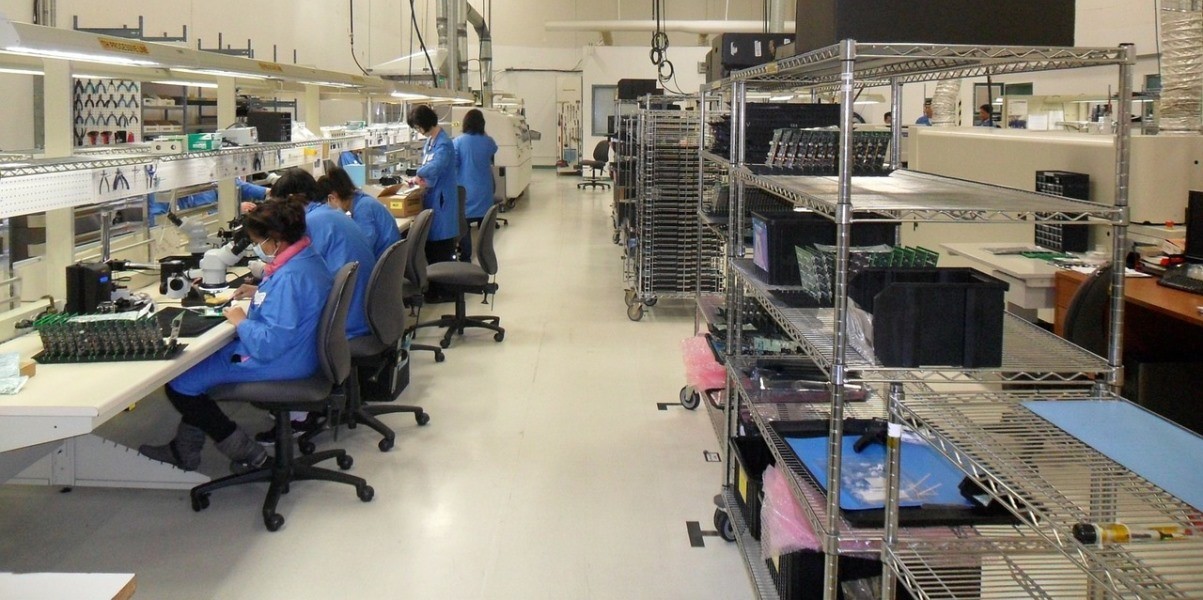
Manufacturing case pattern
Combinatorial optimization caused all final assemblies to meet requirements.
Approximate rework before optimization
Rework after model-based matching
Final assemblies met requirements
The operating problem
Intermediate or subassembly behavior affected final product performance. The final result depended on combinations, not one isolated component choice. A pass/fail strategy based only on late final testing produced major rework.
The technical method
Learned models characterized intermediate/subassembly behavior. Those predictions became inputs to a combinatorial optimization search. The search selected combinations that caused all final assemblies to meet final product requirements.
The business result
Rework fell from approximately 60% to zero. The value came from using prediction before the final assembly decision, then optimizing across real available choices.
Condensate stabilization tower control
Predictive RVP models pulled delayed analyzer readings forward by 30 minutes.
Oil stabilization columns under predictive control
Analyzer delay pulled forward by prediction
RVP control target achieved
The operating problem
Condensate and oil stabilization towers must control Reid Vapor Pressure while balancing product quality, gas removal, downstream tank constraints, and reboiler heat. The customer had online RVP instruments, but the analyzer readings were delayed by 30 minutes.
The technical method
IntelliDynamics modeled feed and tower conditions against RVP, predicted what the delayed instruments would report 30 minutes later, and used those predictions to calculate reboiler heat setpoints for target RVP.
The operating result
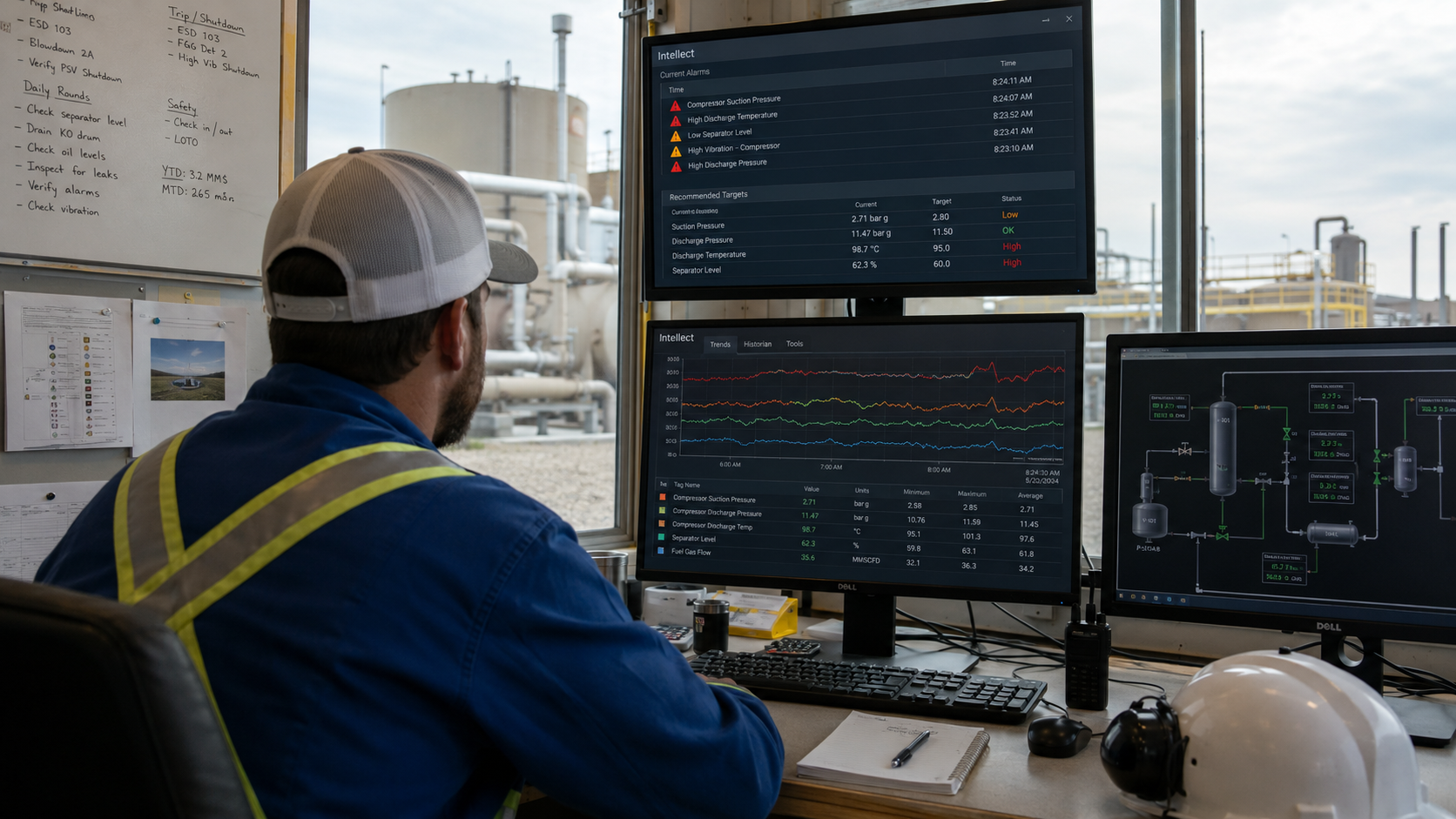
The system integrated with a Yokogawa DCS through OPC. DCS logic inspected and accepted real-time setpoints. IntelliDynamics controlled RVP on four stabilization columns to a 0.25 PSI target while helping operators avoid unnecessary gas removal and downstream tank constraints.
Transferable lesson
The winning unit is the decision, not the model.
A model has value when it strengthens an action. In manufacturing, that action can be subassembly matching. In condensate stabilization, that action can be a reboiler heat setpoint calculated against a target product property. In other process operations, the action can be a recommended target, calculated input, operating adjustment, product-quality decision, or production choice.
The same discipline applies: define the action, predict the outcome, search within constraints, and verify the result against the requirement.
Evidence checklist
What a credible optimization claim must show
Apply the evidence standard
Have a high-value decision with incomplete or late information?
Bring the decision, the data sources, the constraints, and the economic consequence. That is enough to start a serious optimization discussion.